Software a business actually runs on.

Not landing pages. The ledger that knows who owes what. The assistant that answers at ten at night. The sixteen thousand shops nobody had a list of.

I am not a career developer. I direct AI tooling, and I finish.

A list of languages would misrepresent how the work gets done, so here is the honest version. The code is written by tooling I direct. The judgement is mine.

Which means I move fast on scope and slow on the things that break quietly. The query missing a tenant filter. The rate limit nobody tested. The backup never restored.

Most of what I am proudest of is a guard that makes a bad state impossible, or a decision not to build something at all.

01 / 04

In private use

Kannuku

The problem
A lending business run on notebooks and one spreadsheet. Interest worked out by hand, monthly, and no dependable answer to the only question that matters: who owes what today.
What I built
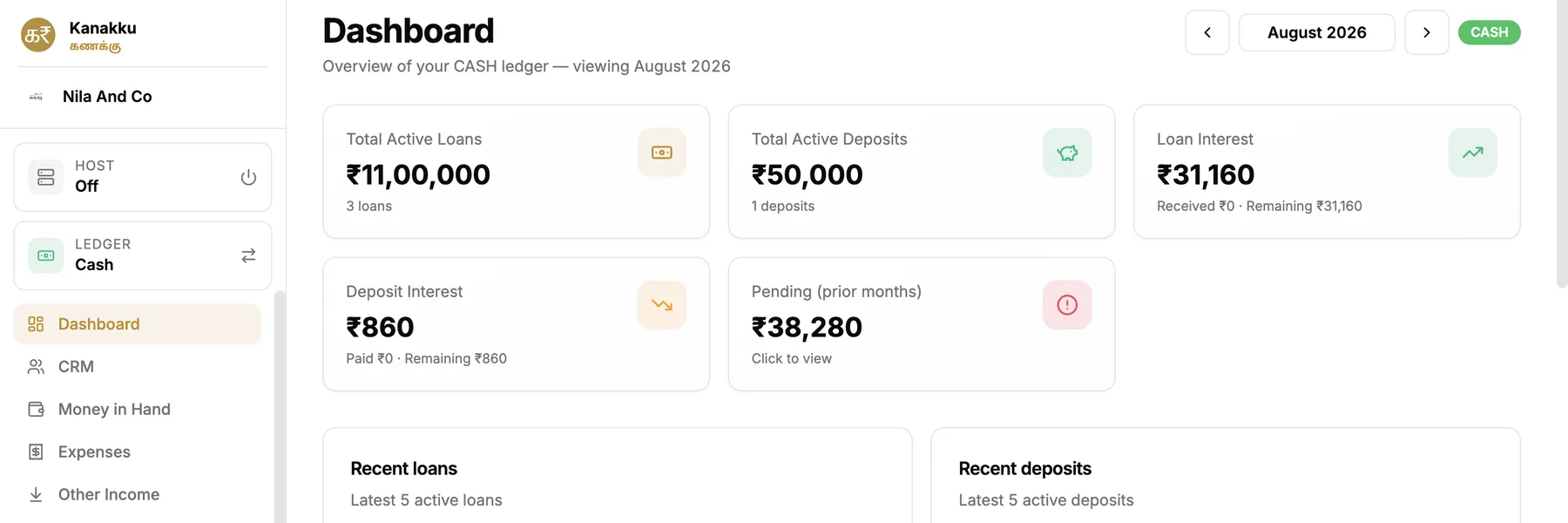
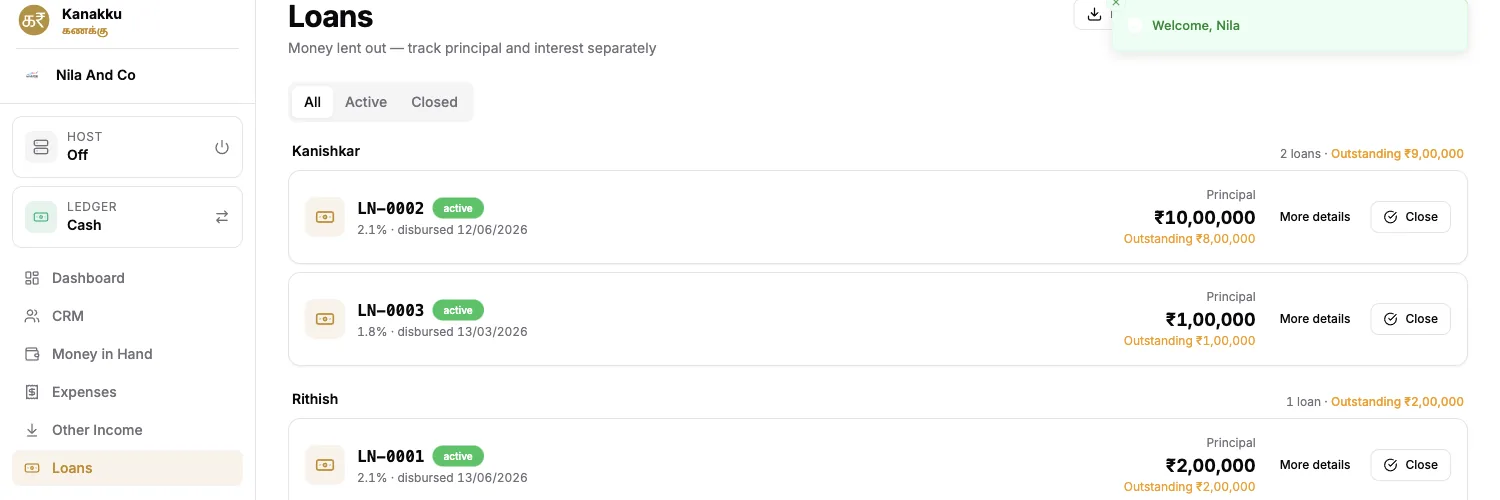
A desktop ledger holding parties, loans, deposits, repayment schedules and receipts, with the interest rules encoded exactly as the business actually applies them, including the awkward ones nobody writes down. Cash and account movements stay separate throughout, because conflating them is what made the spreadsheet untrustworthy.
Worth knowing
It needs no internet and no server, because it has to work during a power cut in a town with patchy broadband. The database is encrypted at rest, since it holds other people's financial position. And overdue is a defined rule, not a feeling: unpaid more than ten days after a month closes.

Electron · TypeScript · React · encrypted SQLite · Mac and Windows installers
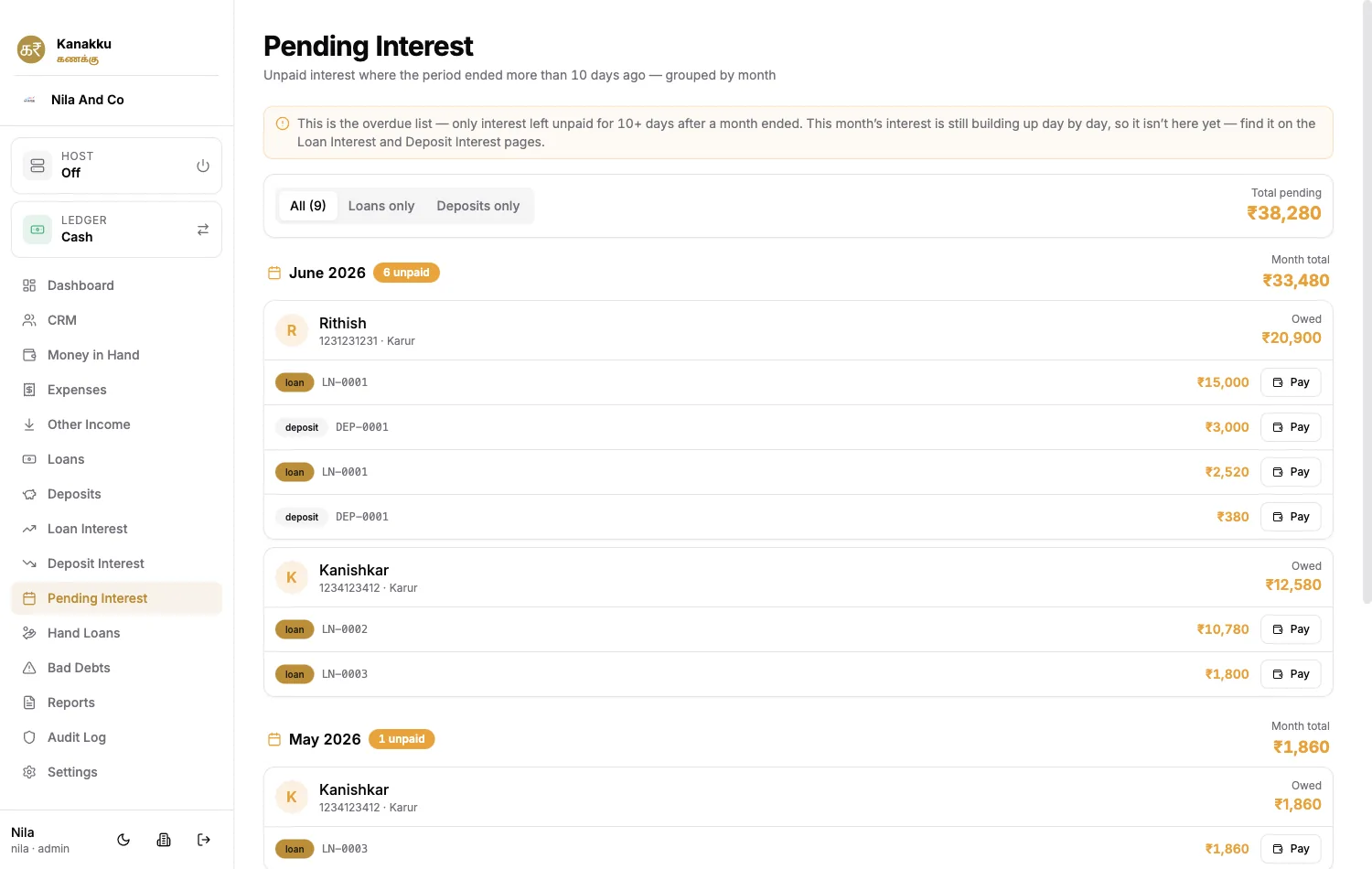
Pending interest screen grouping unpaid interest by month, with per-party totals and a pay action on each line
Kannuku dashboard showing active loans, deposits and interest owed
Loan register

The interest engine, which is the part that took the longest: what is owed, by whom, for which month. Test workspace, invented names.
02 / 04

In use

Customer analytics

The problem
Years of orders sitting in exports nobody opened. The business knew its revenue and almost nothing else: not who had quietly stopped ordering, not how exposed it was to losing one big account.
What I built
Twenty screens over 11,054 customers and 87,673 orders: retention cohorts, concentration risk, a call list the office works down, geography, product mix, and a data-quality page showing what the numbers cannot be trusted on.
What it found
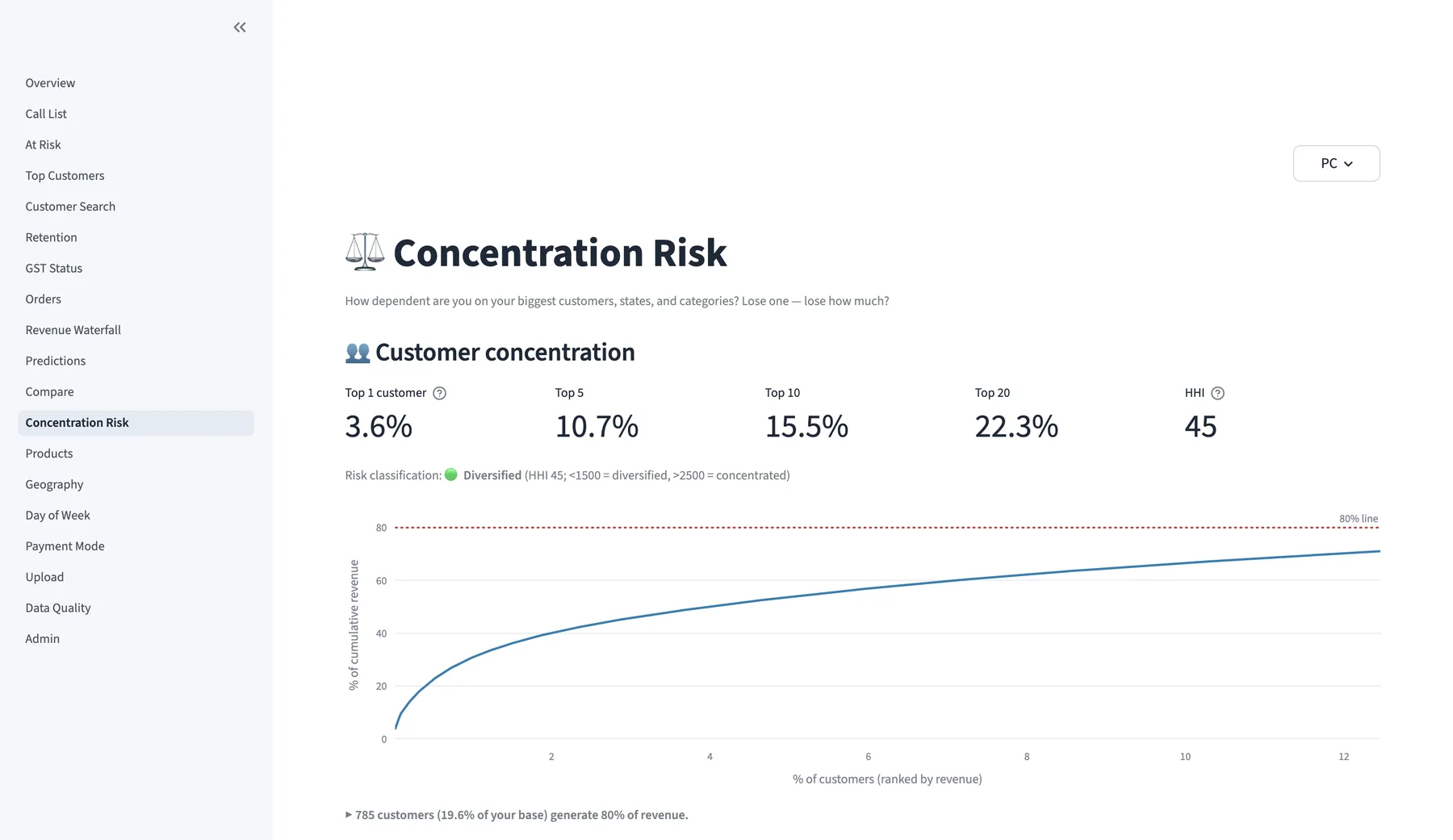
785 customers, under a fifth of the base, generate 80% of revenue, and no single customer is worth more than 3.6%. That second number is the reassuring one and nobody knew it. It also showed which cohorts stopped reordering and when, which is the question the business had actually been asking out loud.

Python · Streamlit · SQLite · per-user login · one-click launcher

Concentration risk screen with a Pareto curve, showing the top customer at 3.6 percent of revenue and an HHI of 45
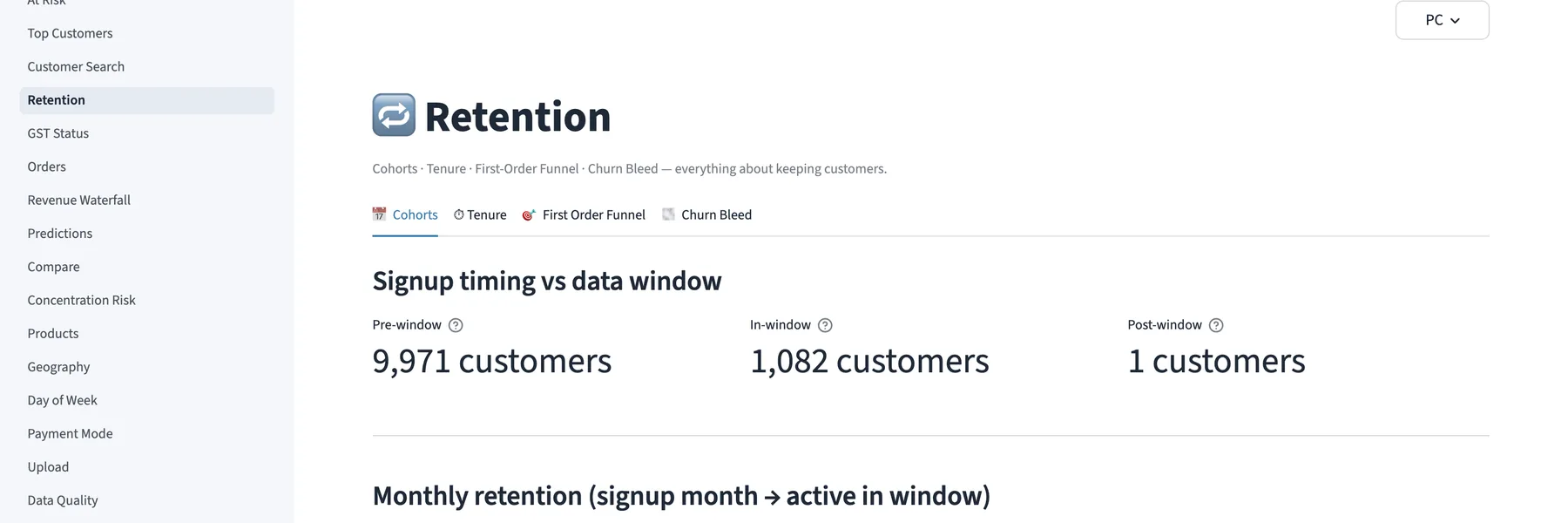
Retention screen with monthly cohort retention charted against signups
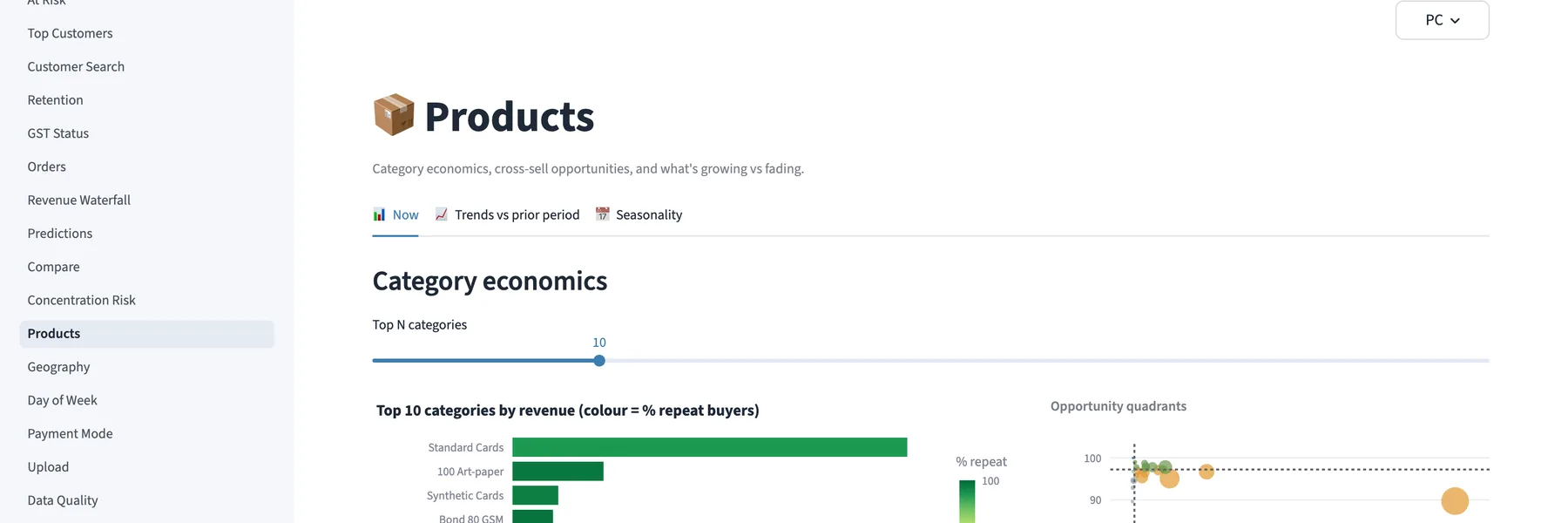
Product mix screen

Concentration risk, retention cohorts and product mix. Real data, and these three screens carry no rupee figures or customer names, which is why they are the ones shown.

03 / 04

In use

Map data scraper

The problem
A campaign needed every print operator in a city. Bought lists are stale, mostly wrong and expensive, and the free ones cover a fraction of what is actually out there.
What I built
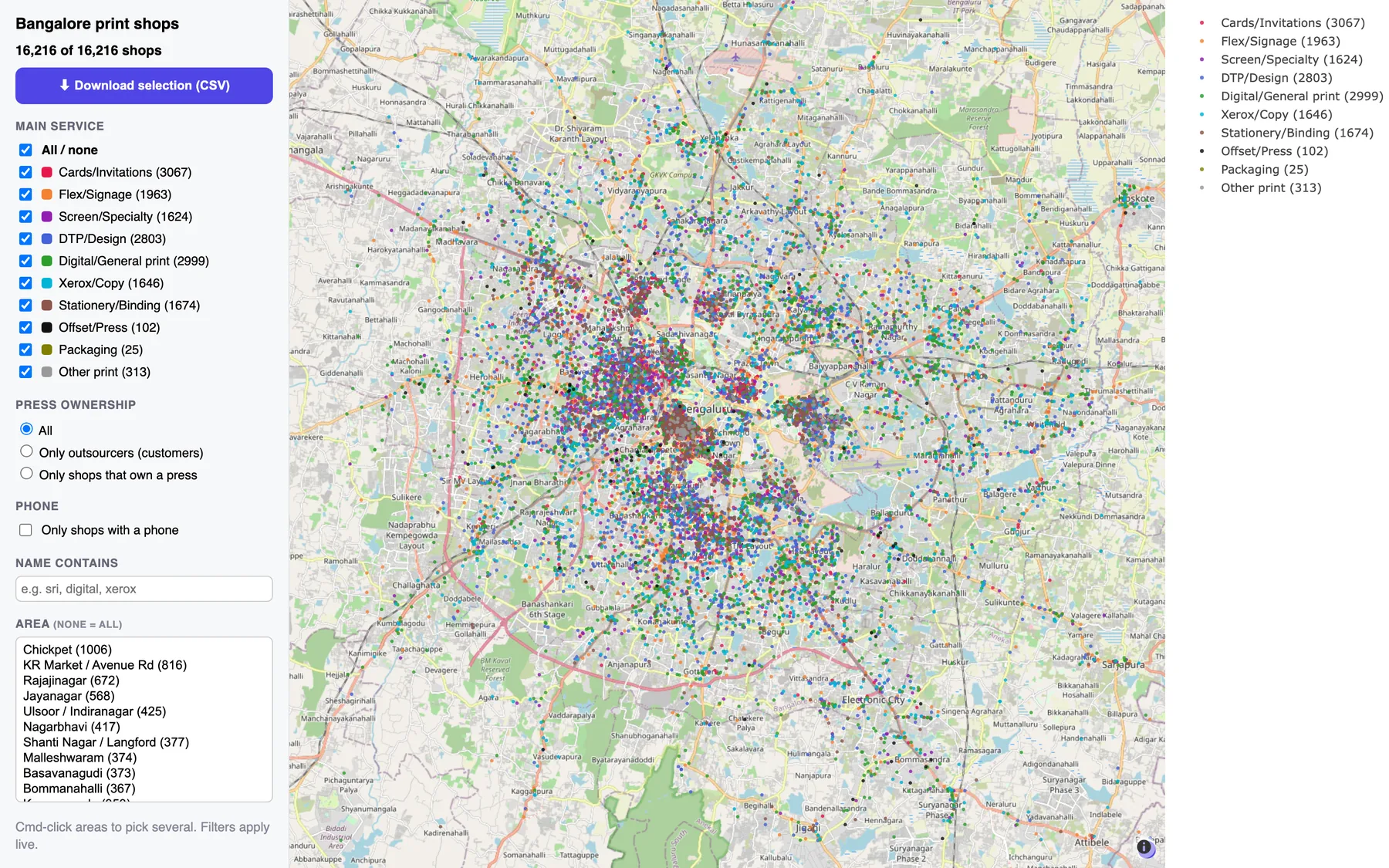
Point it at any city and any category and it returns a verified list with names, addresses and phone numbers, plotted and filterable. It caches every response so a re-run is free, resumes after interruption, and stops itself at a spend cap. 16,216 shops on this run, across eleven trades. The same tool gives you every dental clinic in Kochi, or every hotel in Coorg.
Worth knowing
It runs on the official Places API, so the data is licensed and the numbers are real. The catch is that a search returns at most sixty results, so an oversized tile silently loses businesses you never learn existed. Tiles size inversely to density, and any query hitting the ceiling is flagged.

Python · Streamlit · Google Places API · SQLite cache · spend cap

Map of Bangalore with 16,216 print shops plotted and colour-coded by trade, with live filters

Every shop found, coloured by trade, filterable by area and by whether they own a press. The filters are the point: the list changes depending on who you are selling to.

04 / 04

Product, multi-tenant

WhatsApp assistant

The problem
Someone messages a business at nine in the evening. The office opens at nine the next morning, and by then they have messaged two competitors.
What I built
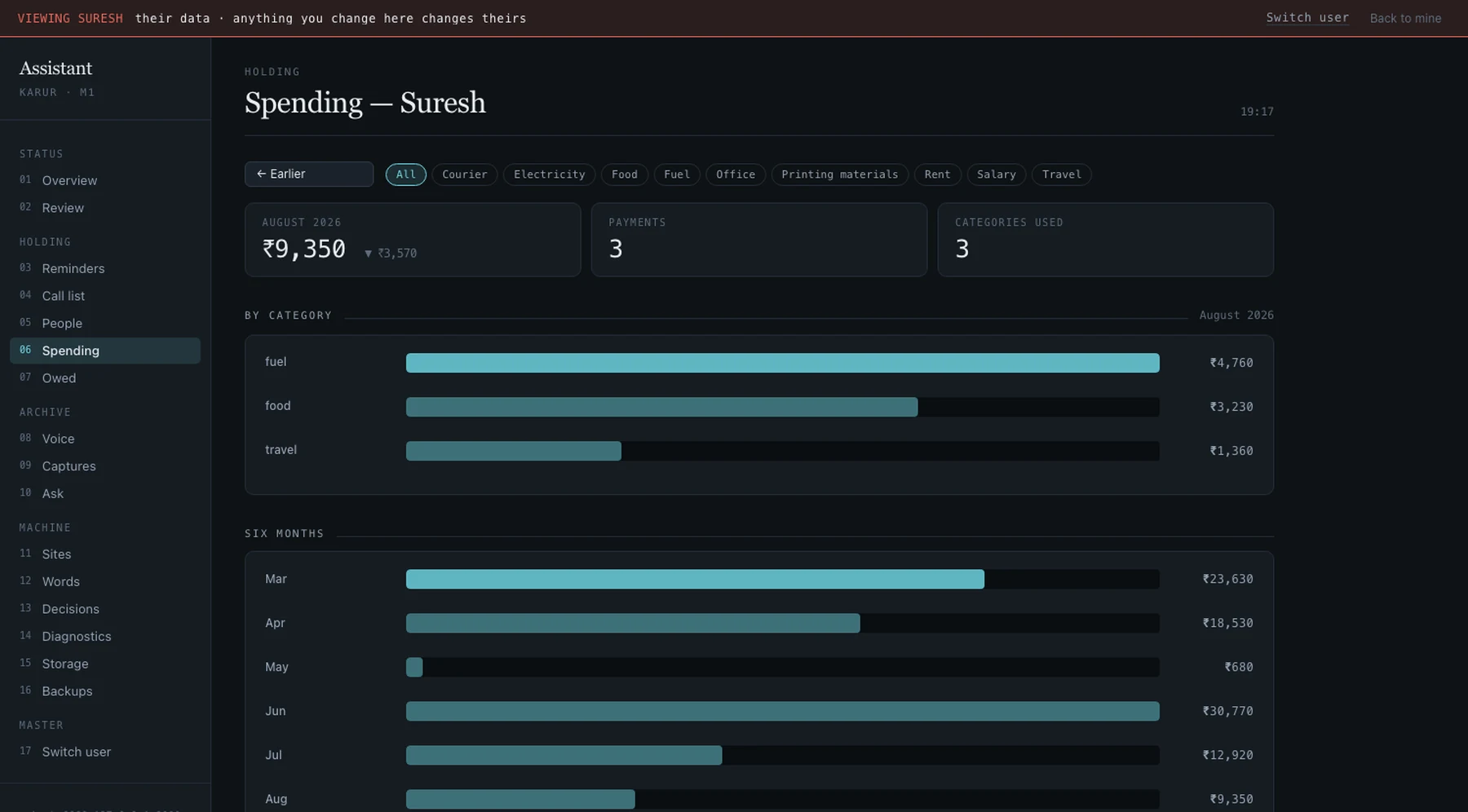
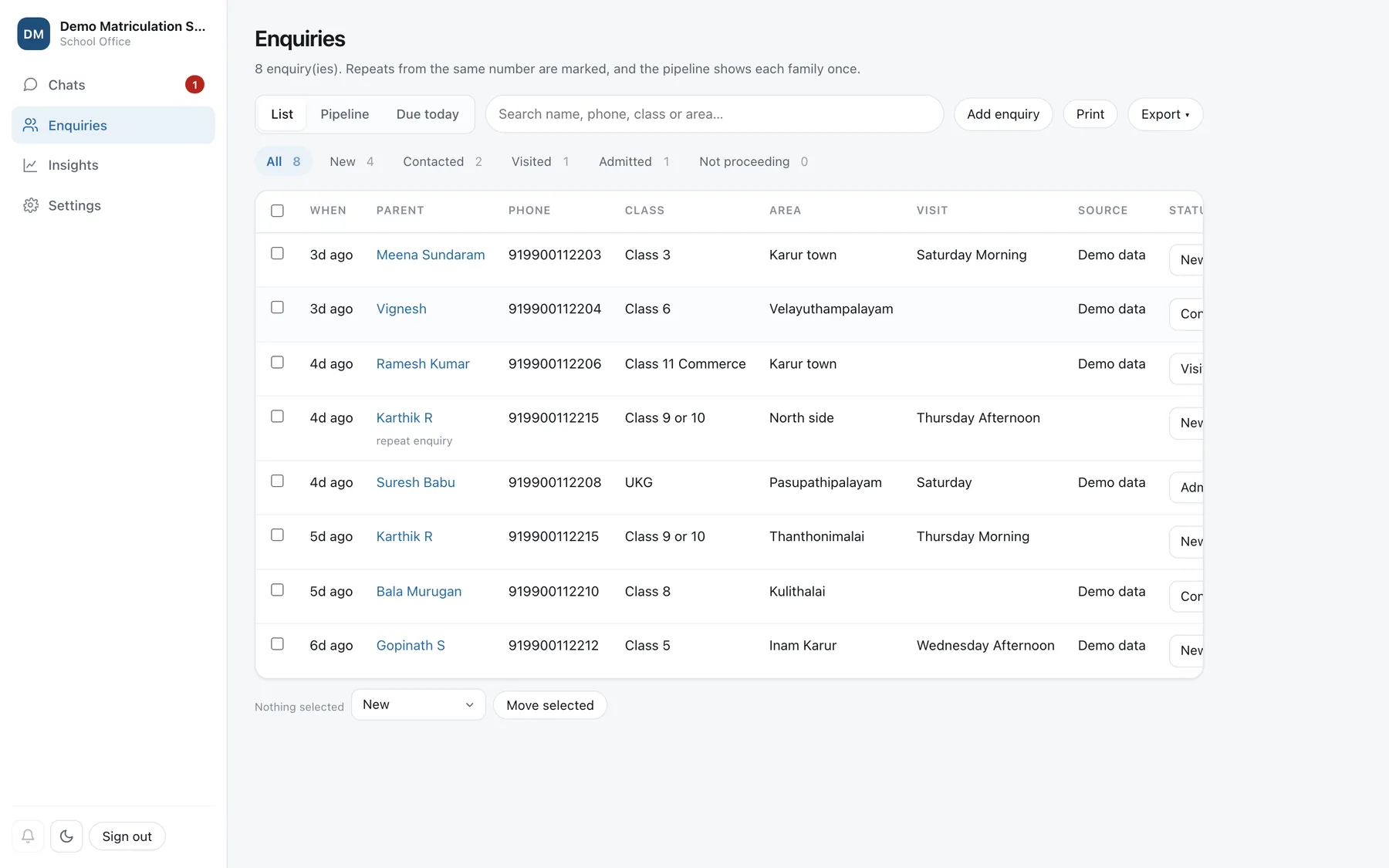
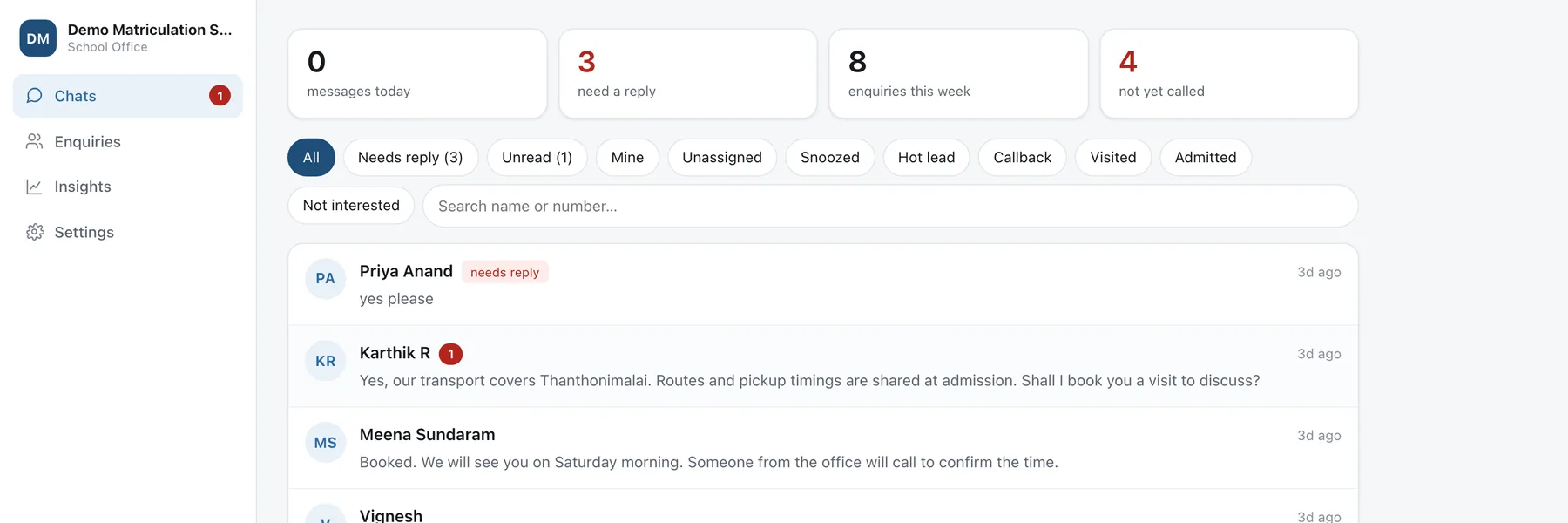
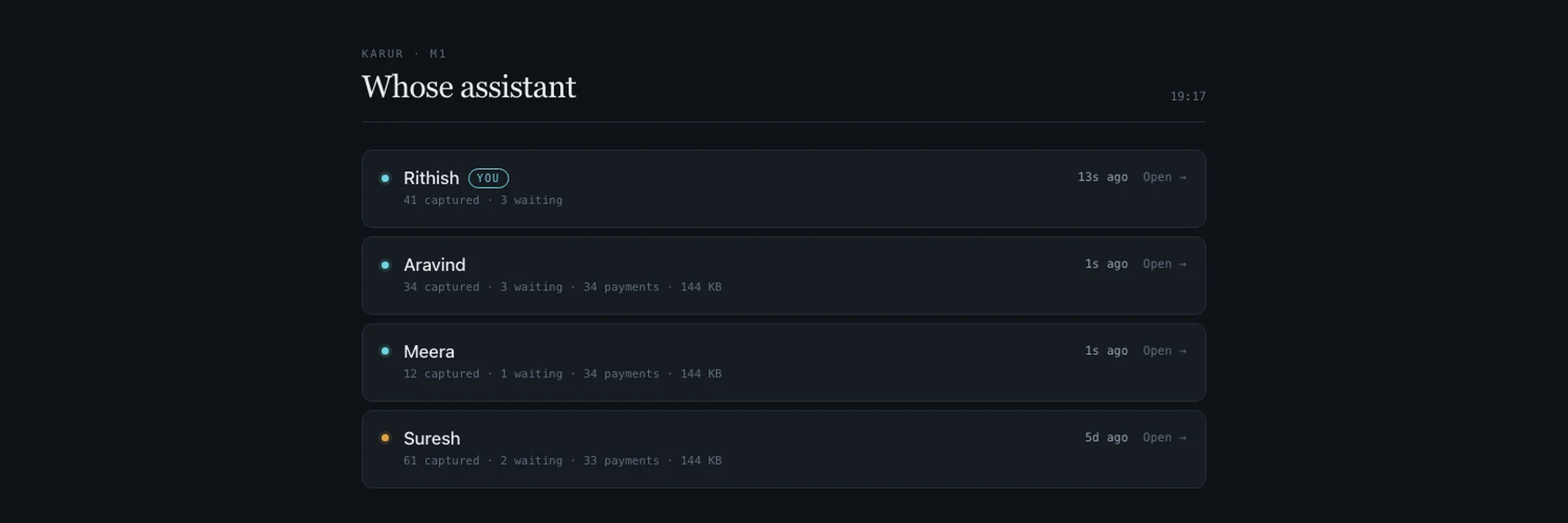
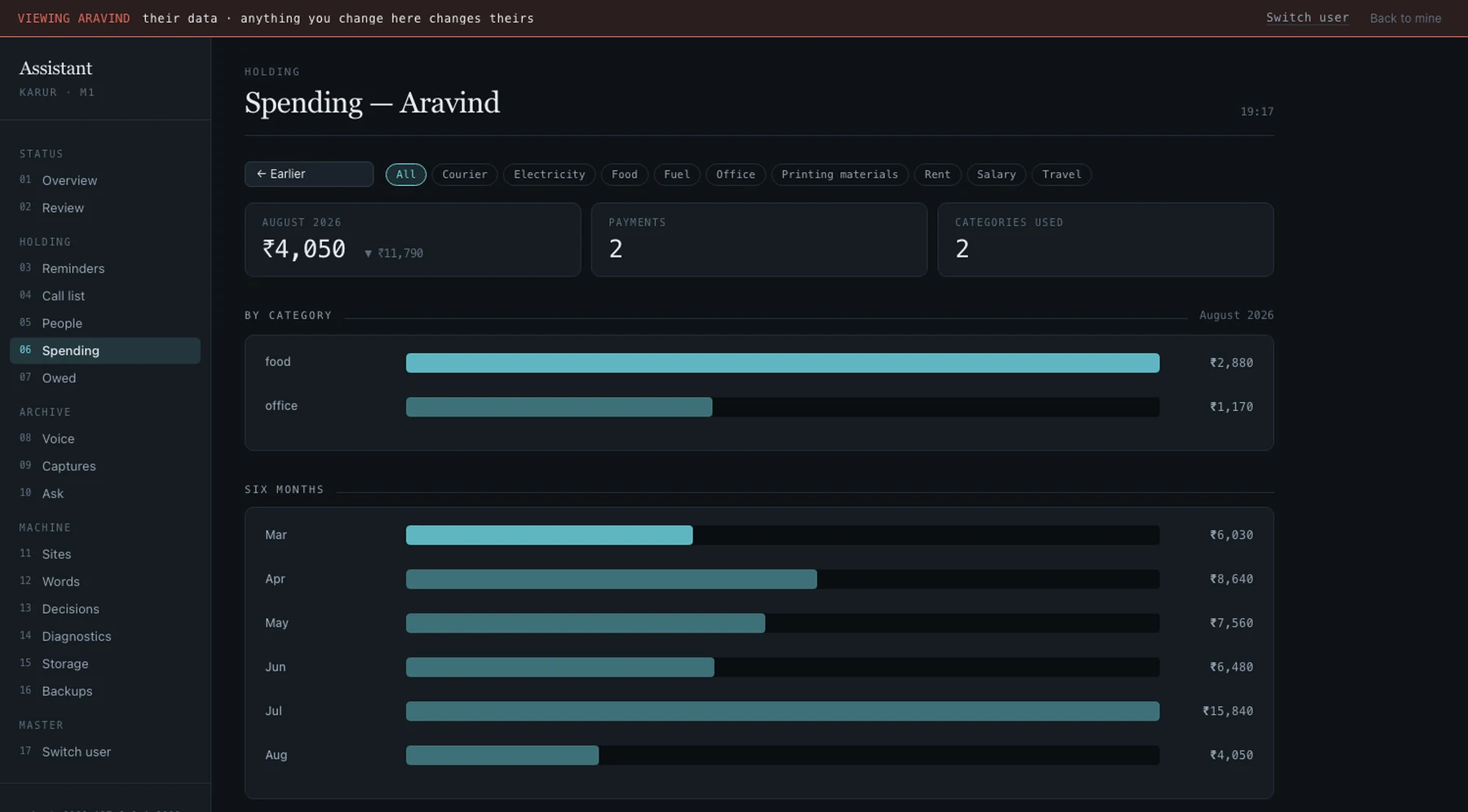
An assistant on the business's own number that answers instantly, sends photographs and books a visit. Plus two dashboards: the client's office, and a separate master view across every client with a live check that names which link in the chain is broken.
Worth knowing
Inbound only, and it never discusses price. Both enforced in code, not by instruction, because an AI agent can be talked into quoting a fee and this cannot. Every query is scoped by tenant, and a test fails the build if one is not.

Node 20 · TypeScript · Postgres · WhatsApp Cloud API direct · 88 tests

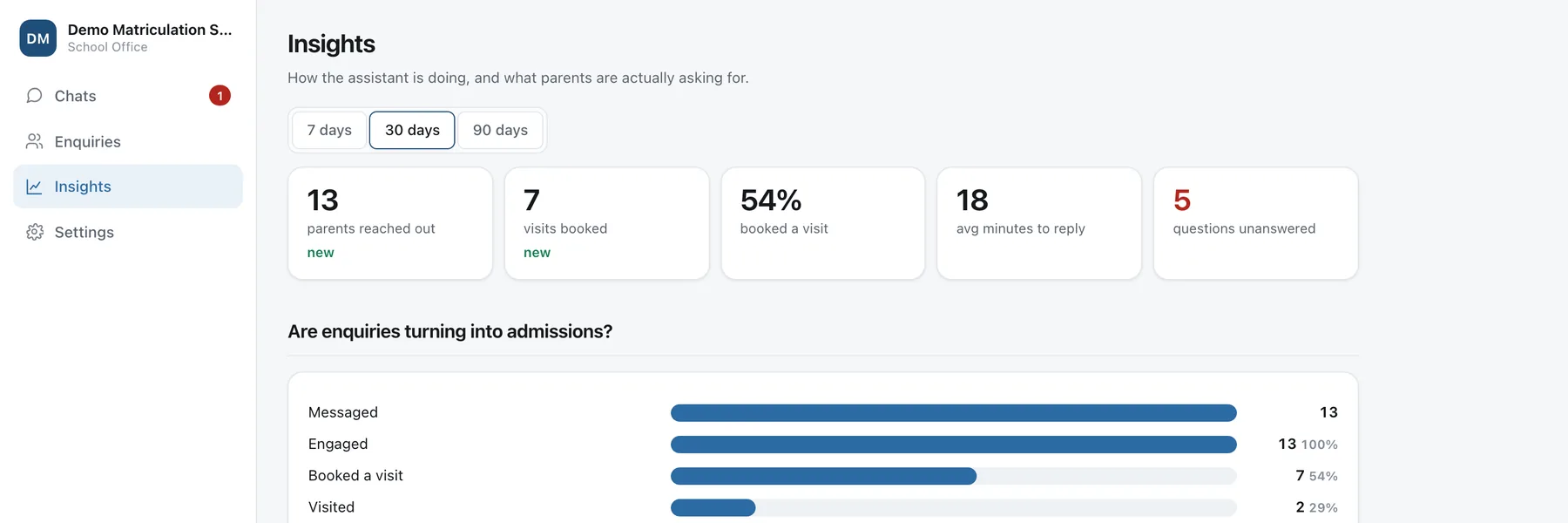
Enquiries screen showing a pipeline with status, class, area and visit slot
Conversation list with counts for messages today and enquiries needing a reply
Insights screen showing which topics people ask about most

The client's own view. Demo tenant, seeded data, personal numbers masked.

Three answers to one brief

A new agency brand with no identity and no clear view of how it should feel. One comp would have been a guess presented as a decision, so I built them all, running. Open any one and scroll it.

Everything else I have shipped

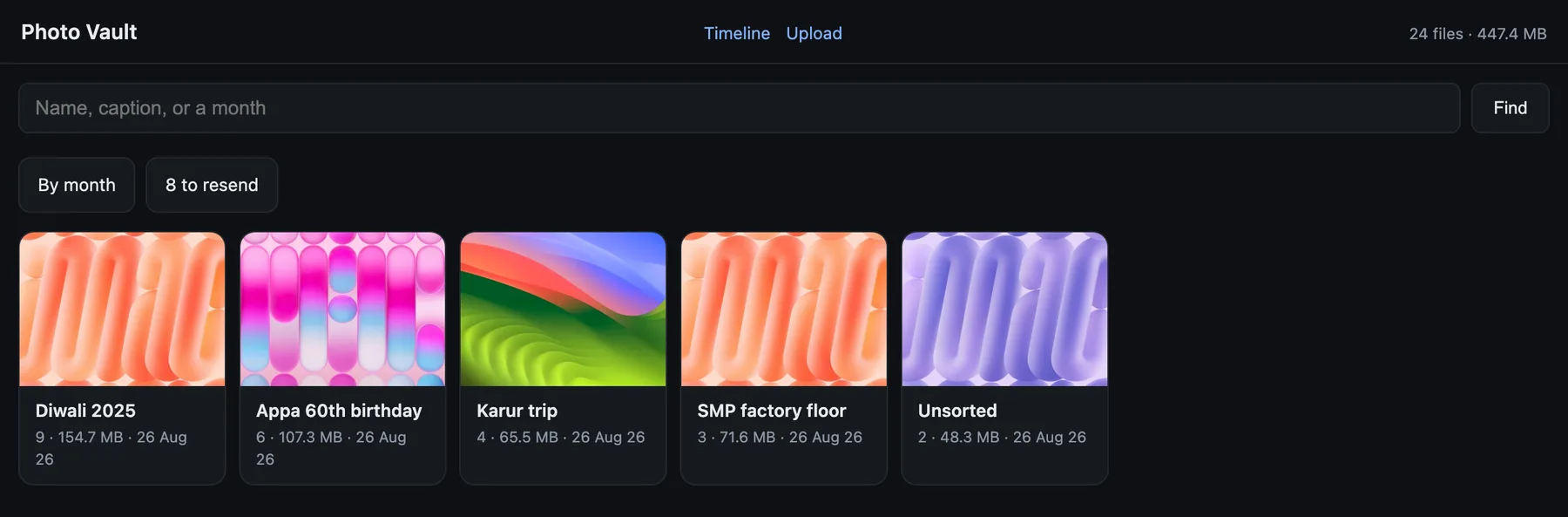
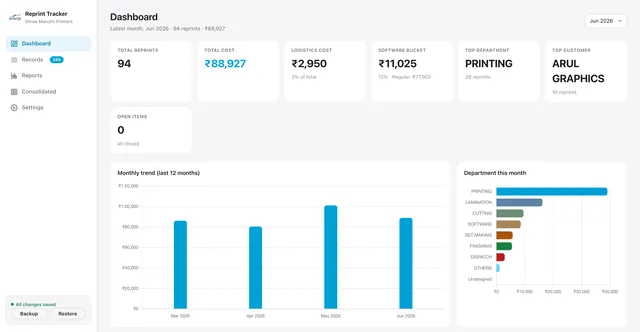
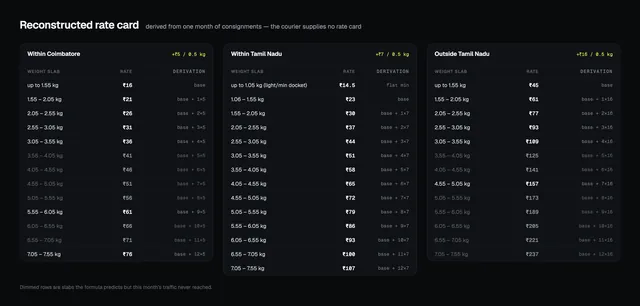
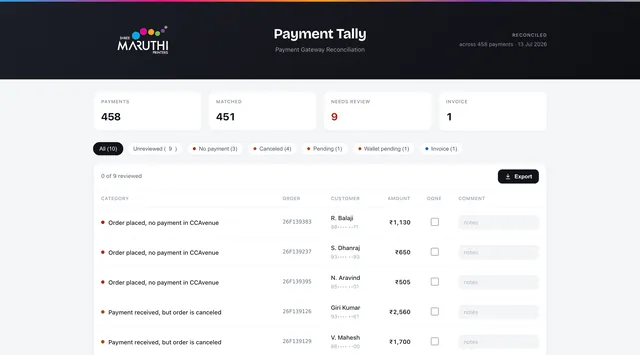
A courier desktop app that has processed 23,128 shipments, a bill auditor that prices every consignment against a rate card, reconciliation that replaced a morning of manual checking, a QA pipeline that audits a live storefront, and the rest — most of it built for one company, and most of it still running.

If something here looks like a problem you have.

I take on build work directly and white-label for agencies. Fifteen minutes on a call beats a pitch, and I would rather understand the problem first.

Karur, Tamil Nadu Available for freelance and white-label work Repositories are private. Most of this holds real customer and financial data.